
Did you know that musicians have 15% more brain volume in areas related to memory and coordination than non-musicians? That’s right! Picking up an instrument doesn’t just make you sound cool; it physically rewires your brain for intelligence, focus, and problem-solving.
No wonder some of the greatest minds in history—Albert Einstein, Dr. APJ Abdul Kalam, Steve Jobs, Rabindranath Tagore, and Leonardo da Vinci—were deeply connected to music.
Einstein often played the violin while working on complex equations, believing that music stimulated his thinking. Similarly, Dr. APJ Abdul Kalam found solace in playing the veena, believing it helped him focus and enhance his creativity.

Albert Einstein playing a violin

Dr. A.P.J. Abdul Kalam playing the veena
Source: Benning Violins, The Hindu
Steve Jobs was fascinated by the rhythms of music, drawing inspiration from them when designing Apple products. Meanwhile, Rabindranath Tagore, India’s first non-European Nobel Laureate, was not just a poet and philosopher but also a skilled composer, having created over 2,000 songs, including India’s national anthem.
Coincidence? Science says, ‘Not really!’
At Xcool, where we offer 1:1 online music coaching, we’ve seen firsthand how learning an instrument can transform the way people think and learn. But what exactly happens in the brain when you play music? Let’s peek into the science behind why music makes you smarter!
💪 1. Music Trains the Brain Like a Workout
Think of your brain as a muscle. Just like lifting weights trains your body muscles and makes your body stronger, playing an instrument trains your brain and makes your cognitive abilities stronger. When you play music, your brain processes rhythm, pitch, melody, and motor coordination—simultaneously!
Neuroscientists have found that musicians have stronger neural connections between the left and right hemispheres of the brain. This leads to improved memory, problem-solving skills, and faster learning.
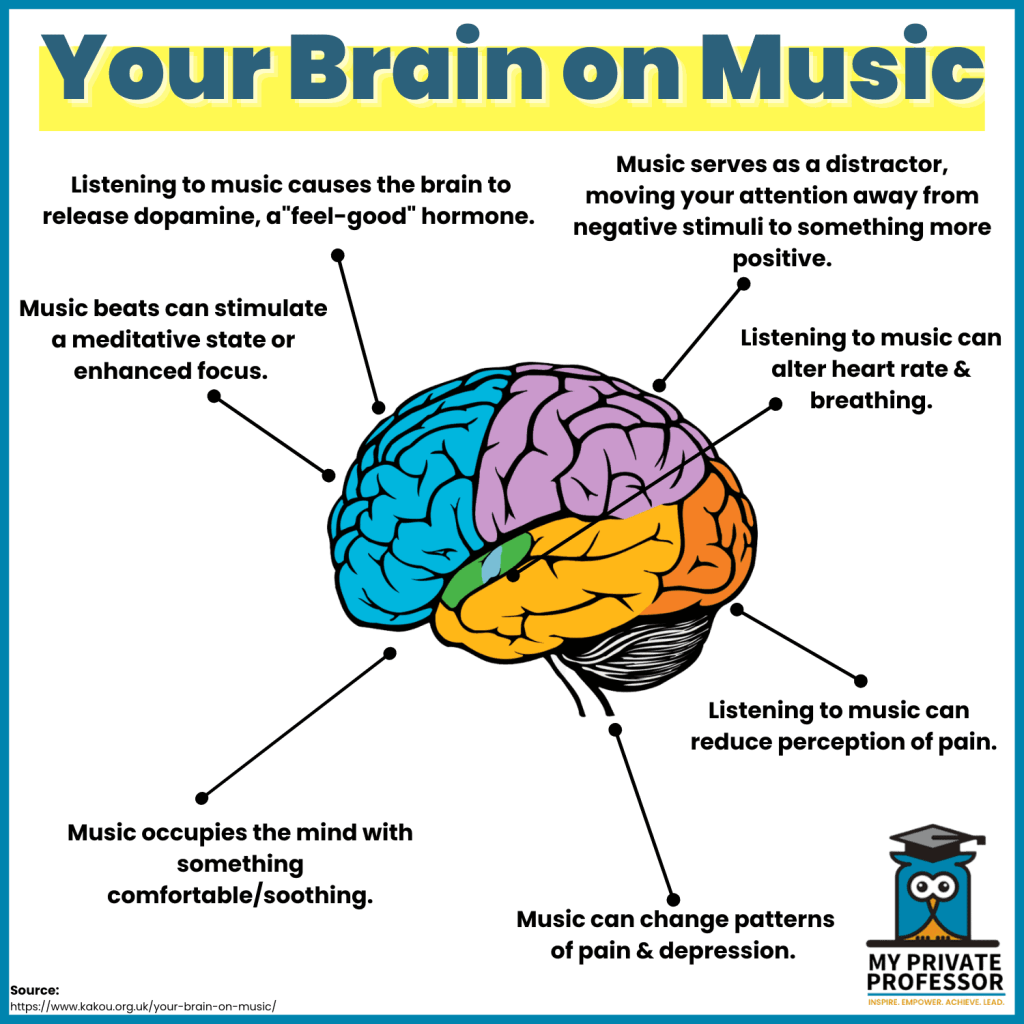
Illustration showing the areas of the brain engaged during musical activities
Source: Private Professor
Want proof that musical training strengthens the brain at any age? Look at Hollywood star Chris Hemsworth. Known for his intense workouts, Hemsworth recently took on a different kind of challenge—learning to play the drums. Not only did he master drumming techniques in a short time, but he even surprised an audience by performing with Ed Sheeran on stage! This isn’t just a cool party trick—drumming improves coordination, cognitive function, and reaction time, making it one of the best brain workouts out there.
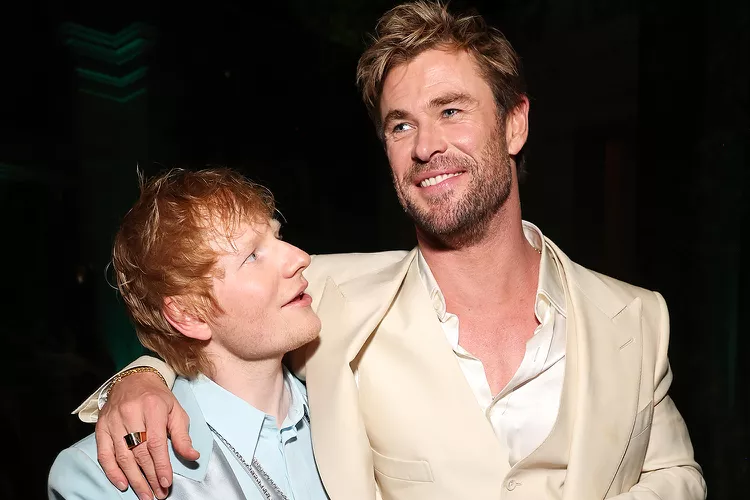
🔗 Watch Chris Hemsworth’s drumming journey here: Chris Hemsworth Learns to Play Drums – and Secretly Debuts New Skills at an Ed Sheeran Concert
🎶 2. Note Visualization: How Indian Classical Music Trains the Brain
A Unique Cognitive Feature of Indian Classical Music One of the most distinctive aspects of Indian classical vocal training is the practice of note visualization. Unlike other musical systems, Indian classical music—both Hindustani and Carnatic—emphasizes mentally internalizing the precise position, movement, and emotional character of each swara within a raga. This process helps develop a deep intuitive understanding of pitch, melodic flow, and structure, even before a note is sung. It helps to establish within mind and body, the relationships between various notes and the movement from one to the other. Note visualization plays a central role in improvisation—whether it’s an alaap, tan, or neraval—as musicians learn to mentally hear and feel the swaras before vocalizing them. It is also integral to the practice of alankars, where singers train not just the voice but also the mind to navigate intricate note patterns with precision.
The process of precisely visualiation the journey between notes is an intense exerise for the brain and has many benefits in stimulating cognition and memory. During daily riyaaz, note visualization acts as an internal guide, allowing the singer to stay aligned with shruti, raga mood, and tonal accuracy throughout the practice. This deep mental mapping of musical space makes Indian classical vocal training a truly immersive and cognitively enriching experience.
🧠 3. Learning an Instrument Improves Memory
Struggling to remember things? Music might be your best study tool! Playing an instrument trains your brain to store and recall information faster, strengthening both short-term and long-term memory.
A study published in Psychology of Music revealed that students with musical training performed better in verbal memory tests compared to non-musicians. That means kids who play an instrument can remember words, numbers, and concepts faster—giving them a major advantage in school.
Want to boost memory while having fun? Try piano learning games or a piano tutorial online to make practice engaging and effective!
🔢 4. Boosts Math and Problem-Solving Skills
Music and math go hand in hand. Every time you read sheet music, follow a rhythm, or play a note, you’re engaging with fractions, counts, sequences, and patterns—the very foundation of mathematics.
Researchers at Stanford University found that students who took music lessons performed 27% better in math exams than those who didn’t.
By training the brain to recognize musical patterns, students develop stronger logical thinking skills, which help in subjects like algebra, geometry, data interpretation, and even coding.
🎯 5. Improves Focus, Discipline, and Patience
Mastering an instrument takes dedication, patience, and perseverance. Regular practice helps students develop self-discipline and time management skills—certainly valuable traits for both academics and life.
Music also enhances attention span and focus. In an age of distractions, kids who play instruments learn to concentrate deeply for longer periods, leading to better school performance and problem-solving abilities.
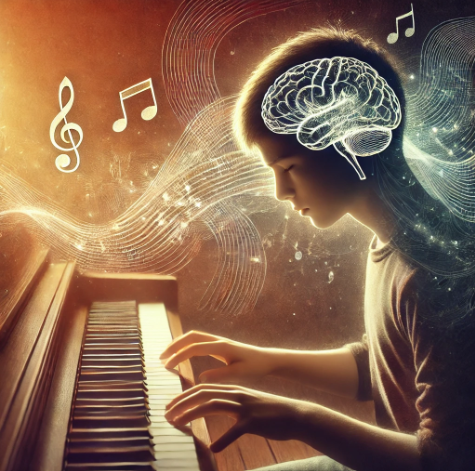
If you’re looking to build consistency in your practice, try an online piano course with structured lessons or use a piano practice app to track progress and keep yourself disciplined.
🎭 6. Music Boosts Emotional Intelligence and Creativity
Music isn’t just about technical skills—it’s an emotional outlet. When students learn to express emotions through music, they develop higher emotional intelligence, which helps them navigate relationships and social situations more effectively.
Bonus: Studies show that musicians score higher on creativity tests and are better at thinking outside the box—a skill that’s crucial in today’s world.
Looking for a creative way to learn? Try an interactive online piano tool that allows you to experiment with virtual piano chords and create your own music.
💡 7. Music Makes You More Social and Confident
Even in 1:1 online music coaching at Xcool, music naturally connects people. Performing in front of an audience (even virtually) builds confidence, resilience, and public-speaking skills.
Playing an instrument also gives students a sense of achievement, making them more confident in their abilities—not just in music, but in academics and personal growth as well.
Final Thoughts: Should You Learn an Instrument? Absolutely!
Learning an instrument isn’t just about music—it’s about unlocking your brain’s full potential. Whether it’s improving memory, math skills, focus, or creativity, music is a game-changer for cognitive development.
At Xcool, we provide expert 1:1 online music coaching to help you harness these benefits from the comfort of your home. Whether you’re picking up an instrument for fun, academic success, or personal growth, music is one of the best investments you can make in yourself.
👉 Ready to experience the power of music? Book a FREE demo class with Xcool today and start your journey to becoming a smarter, sharper, and more confident musician!
Let’s make ourselves smarter, one note at a time! ✨




Leave a Reply